Fascinated by Gallo-Roman history? Click Here to download > > > Here are 6 ways Rome affected France





Follow me on
Historical Travel: Where France's Past Comes Alive
Published 18 January 2026 by Leyla Alyanak — Parisian by birth, Lyonnaise by adoption, historian by passion
You know what I love about France?
Every corner has a story – and it's often not the one in your guidebook. The secret apartments in famous monuments or the scandals that rocked châteaux... The battles that changed borders and the artisans whose crafts are disappearing.
This is where travel meets history.
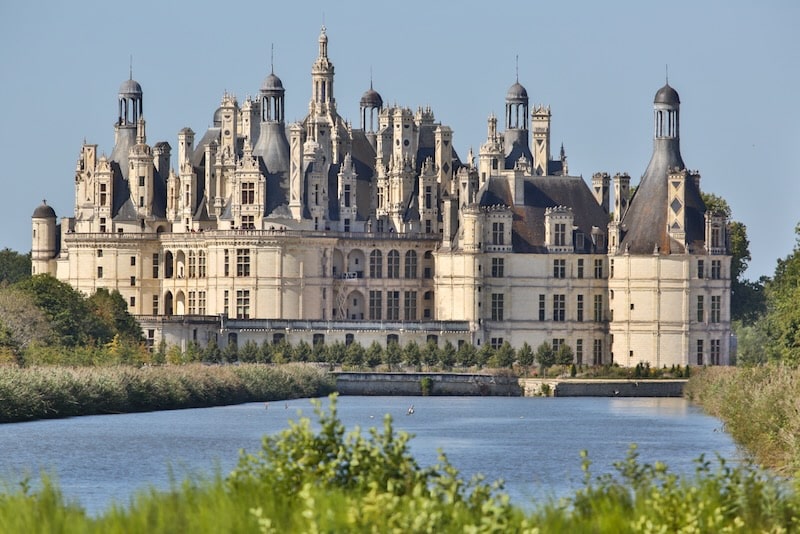 Chambord Castle, in the Loire Valley
I started Offbeat France because of my passion for context, and to understand the who, when and why, not just the what and where – the humans behind the landmarks, and why they acted the way they did and changed the world around them.
I've organized this section by historical era, from prehistoric caves to 20th-century memorials. Each period links to articles about sites you can visit and why they matter.
Use it to plan trips around whatever history grabs you. Roman amphitheaters? Medieval villages? Revolutionary Paris? Loire Valley châteaux? Start with an era, then check the regional guides for the practical details.
Prehistoric and Gallo-Roman France
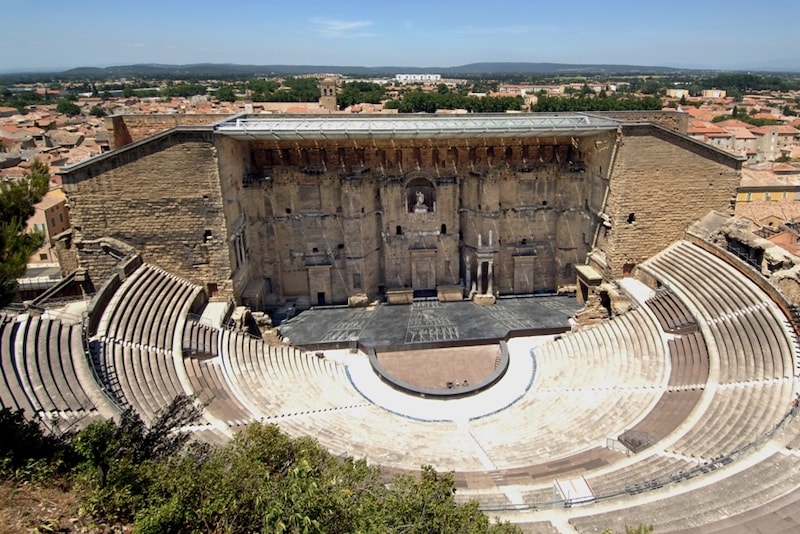 Roman amphitheater in Orange
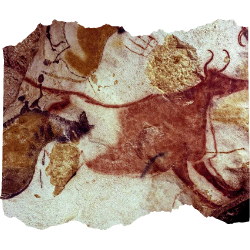
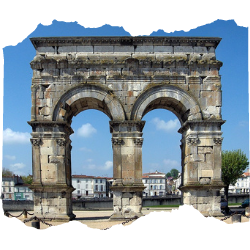
Before France was France, people were painting cave walls with art that still amazes. Then the Romans arrived and built their usual impressive infrastructure—amphitheaters, aqueducts, entire cities. You can explore remarkably preserved Roman monuments in Arles, Nîmes, Vienne, Lyon, and Bordeaux. Walk where gladiators fought. Stand in theaters still used for performances. Trace the routes where Vercingetorix and his Gallic warriors challenged Caesar's legions.
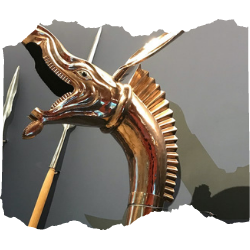
The Middle Ages
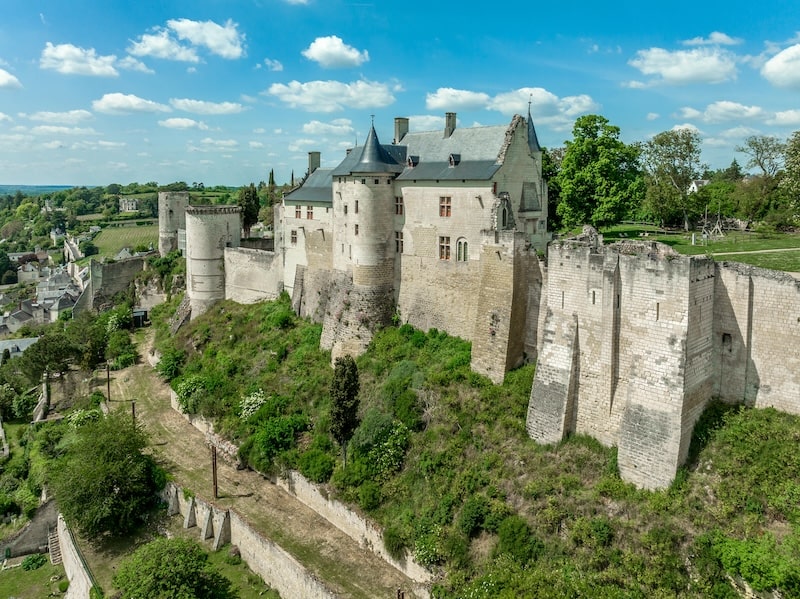 Chinon fortress
This is France of castles and cathedrals. Medieval villages where stone walls haven't changed in 800 years. Explore Chinon, where Joan of Arc met the Dauphin. Walk through Rouen following Joan of Arc's final days. Discover medieval towns and fortifications, and see the places where kings, nobles and the Church shaped the country.
From imposing castles to village streets and ancient cathedrals, the Middle Ages left their mark across France. Discover châteaux with stories of power, conspiracy and secrets, and places where medieval France is still visible today.
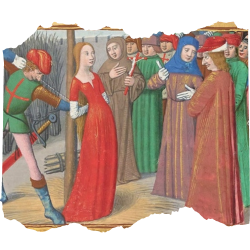

 8 Medieval Places in France Where the Middle Ages Are Still Visible
Renaissance and the Enlightenment
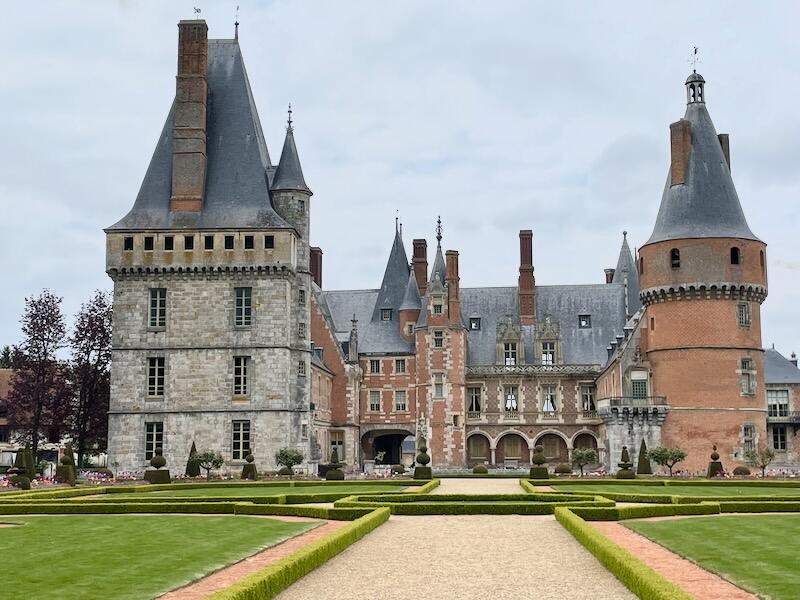
The Renaissance brought new ideas, artistic styles and ambitions to France, as kings and nobles built grand châteaux and competed to display their wealth and influence. Follow the stories of François I, Diane de Poitiers and Catherine de Médicis, and explore the castles and palaces where Renaissance France took shape.
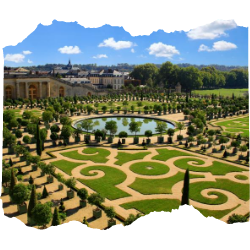
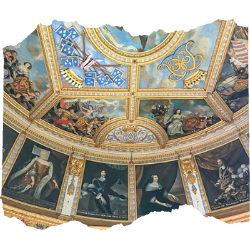
By the 17th and 18th centuries, royal power was concentrated at Versailles, while a new generation of thinkers challenged established ideas about society, religion and government. Discover the world of Louis XIV, the philosophy of Voltaire and the ideas that would help set the stage for the French Revolution.
Revolution and Empire
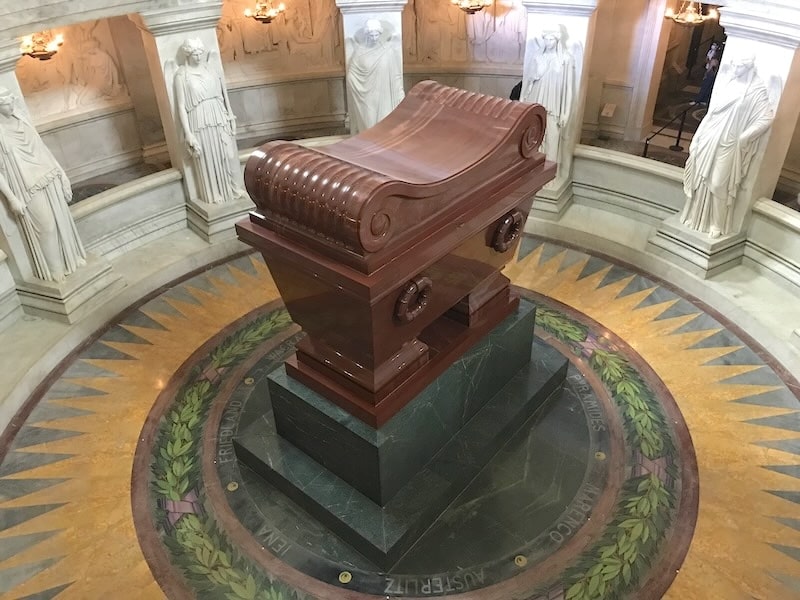 Napoleon's tomb at the Invalides
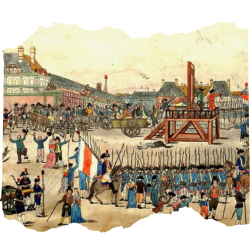
The French Revolution didn't just happen in history books—it happened on streets you can walk today. Paris offers multiple ways to trace revolutionary events, from the Bastille to the Catacombs. See what remains of the prisons where nobles awaited the guillotine.
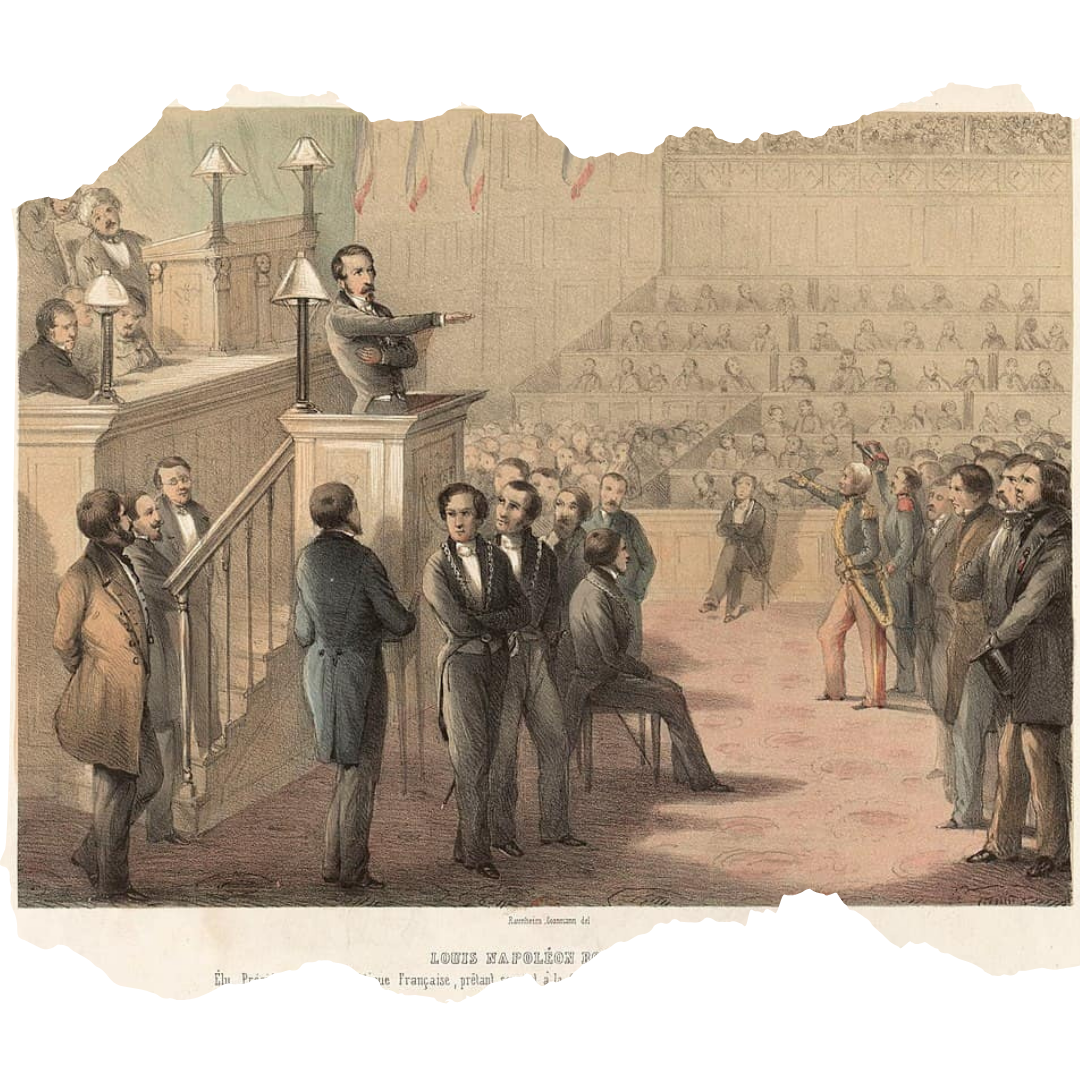
Then came Napoleon, whose ambitions reshaped Paris, France, and pretty much all of Europe, at least for a time. Decades later, his nephew Napoleon III transformed Paris again, building wide boulevards to prevent future revolutionaries from constructing barricades (it didn't work).
Modern France (19th-20th centuries)
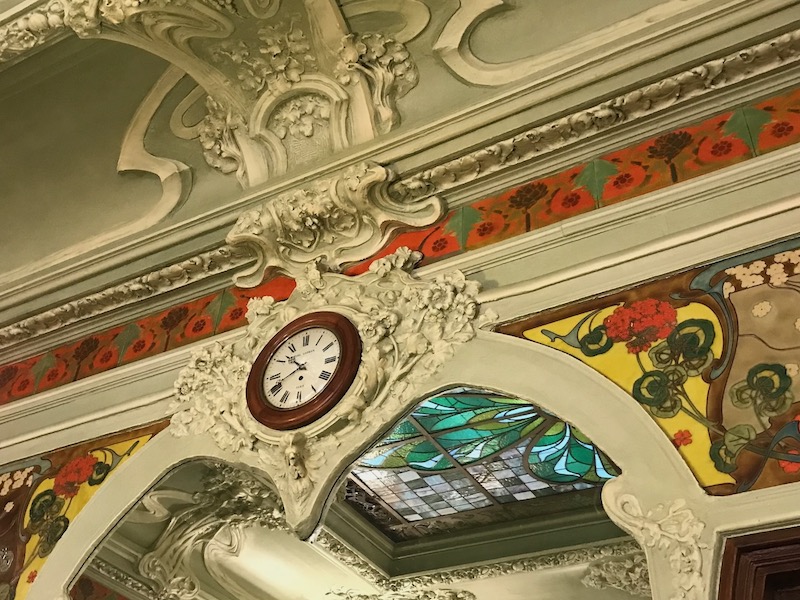 Details of a Belle Epoque "bouillon", or Parisian restaurant
The Belle Époque left France with grand boulevards, ornate spa towns, and a sense of optimism before everything shattered. Visit Evian-les-Bains where the Belle Époque architecture survives. Explore how this era shaped French culture.
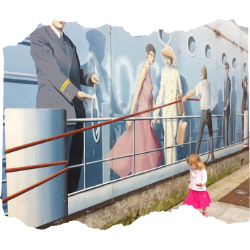
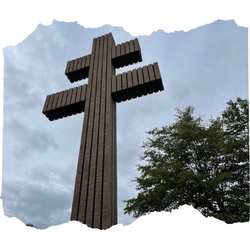
The 20th century brought Charles de Gaulle, whose memorial tells the story of France's most complicated hero. Visit D-Day beaches in Normandy where Allied forces landed. Walk through Bayeux, Ouistreham-Riva Bella, and understand how these small towns witnessed history's pivotal moments.

The importance of a history lens
History isn't just dates and battles. It's people making decisions—sometimes brilliant, often terrible, always human. When you understand the context, everything becomes more interesting.
Who was Vercingetorix and why do the French still care about a battle from 52 BCE? Why did two women fight over Chenonceau? What made the Belle Époque so "belle" and was it really?
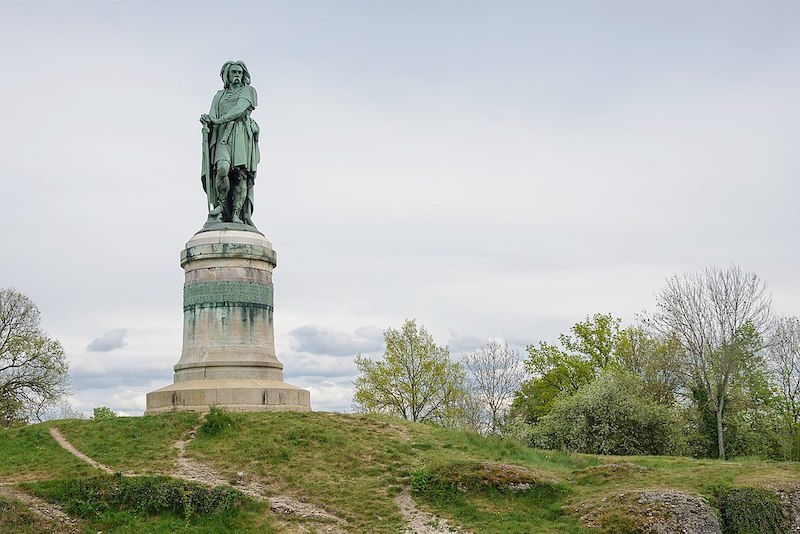 Statue of Vercingetorix
I research these stories so you get more than just "built in 1453, worth a visit." You get the scandals, the power struggles, the daily life that shaped these places.
Want to go deeper?
My Substack newsletter, Gallia Incognita, is where I write pure French history with no travel angle. Academic research made readable. Stories about mysterious prisoners, obscure kings, historical scandals that seem impossible but happened.
Offbeat France gives you history that enriches your travels. Gallia Incognita satisfies pure historical curiosity, whether you're planning a trip or reading from your couch.
Did you enjoy this article? I'd love if you shared it!

🇫🇷

Bonjour! I'm Leyla.
Born in Paris and now based in eastern France between Lyon and Annecy, I've spent years exploring the places and stories that explain why France is the way it is.
Offbeat France is for curious francophiles, whether you're planning a trip or simply fascinated by France. Here you'll discover the history behind the villages, castles, traditions, landscapes and everyday details that most visitors notice but few can explain.
Alongside practical travel advice, I share the context that helps you make sense out of France. The more you understand, the more rewarding every visit becomes.
If you finish an article thinking, "I never knew that... now I want to know more," then I've done my job.
Learn more about me!
Read my Substack historical essays
🇫🇷

🇫🇷
Booking.comWhat's New!


-
The Strange Story of Compiegne’s Armistice Wagon
Oct 07, 26 04:08 AM
Discover the strange story of the Compiegne Armistice Wagon, where Germany signed an armistice in 1918 and France signed one in 1940. -
Arras, France: Where Things Are Not What They Seem
Sep 30, 26 04:34 AM
Discover things to do in Arras France, from grand Flemish-style squares to a hidden underground city, a curious citadel and a rebuilt historic center. -
Chateau De Pierrefonds: The Strange Curse Of A Fairy-Tale Castle
Sep 26, 26 02:16 PM
Discover Château de Pierrefonds, a fairy-tale castle in northern France with a turbulent history, spectacular restoration and plenty of strange surprises. -
The Louvre-Lens Museum: How A Former Mining Town Got The Louvre
Sep 21, 26 07:51 AM
Discover why the Louvre-Lens Museum brought the Louvre to a former mining town, plus 11 remarkable works worth the trip from Paris. -
Poitiers in France: Why This Historic City Deserves More Visitors
Aug 02, 26 03:05 PM
Discover the best things to do in Poitiers, France, from Roman ruins and medieval streets to Eleanor of Aquitaine's legacy and remarkable architecture.