Fascinated by Gallo-Roman history? Click Here to download > > > Here are 6 ways Rome affected France





Follow me on
- Home ›
- Destinations ›
- Lyon
Your Comprehensive Lyon Travel Guide to the Best of the City
Updated 29 April 2026 by Leyla Alyanak — Parisian by birth, Lyonnaise by adoption, historian by passion
Living near Lyon means I return often, and every visit reveals something I missed before. This Lyon travel guide brings together my best advice on visiting the city, from neighborhoods and food to history and day trips, all with links to deeper articles.
Lyon is without a doubt one of France's most rewarding cities, yet many visitors bypass this fabulous destination on their way from Paris to Provence − that is a mistake!
Lyon has shaped French history in ways you can still see today. Founded by the Romans as Lugdunum in 43 BCE, it became the capital of Roman Gaul and one of the empire’s most important cities north of the Alps.
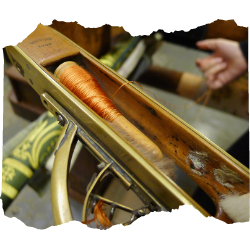
It eventually grew into a major Renaissance trading center, a powerhouse of silk weaving and, during World War II, a center of Resistance activity under Jean Moulin.
But Lyon is much more than its history.
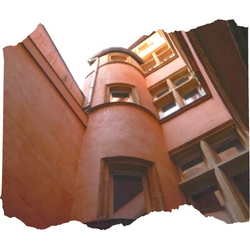
Lyon sits between two rivers, the Rhône and the Saône, and climbs steeply into neighborhoods that often feel like separate villages: the Renaissance lanes of Vieux Lyon, the Roman heights of Fourvière and the former silk-workers’ district of Croix-Rousse, both riddled with the city's famed secret passageways, or traboules.
Add to that a food culture built by the Mères lyonnaises (the women cooks who shaped modern Lyonnaise cuisine), the famous bouchons (traditional local restaurants), and markets that still supply some of France’s best chefs, and you begin to understand why Lyon is so loved by foodies.
Even if you only have a day, you won't regret a walk around the Old Town, a climb to the Basilica, lunch in a bouchon and a detour through a traboule.
Understanding Lyon's neighborhoods
One of the easiest ways to understand Lyon is to think of it as a city of distinct neighborhoods, each shaped by geography and history.
Two rivers divide the city, which is framed by hills, and each district has its own personality. Knowing where things are will make planning your visit much easier.
Vieux Lyon
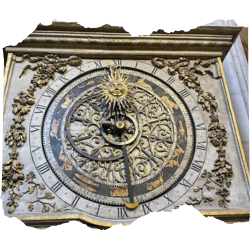
Vieux Lyon is the city’s historic center and one of Europe’s largest Renaissance districts. Its narrow streets, courtyards and hidden traboules (covered passageways) reveal the wealth Lyon built through banking and trade in the 15th and 16th centuries. This is where you’ll find the cathedral, the astronomical clock and many traditional bouchons.
Fourvière
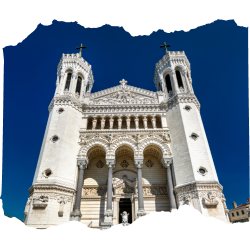
The hill of Fourvière is where Roman Lyon began. The ancient city of Lugdunum grew here, and today you can still visit its Roman theaters and archaeological remains. Above them rises the Basilica of Fourvière, one of Lyon’s best-known landmarks, with sweeping views across the city.
Presqu’île
The Presqu’île (“almost-island”) lies between the Rhône and Saône rivers and forms the commercial heart of modern Lyon. This is where you’ll find grand squares, shopping streets, opera, museums and much of the city’s daily rhythm. It connects the old city to the newer one.
Croix-Rousse
Croix-Rousse was once the center of Lyon’s silk industry, home to the canuts (silk workers) whose revolts shaped labor history in France. Today it remains one of Lyon’s most distinctive neighborhoods, with steep stairways, markets, murals and hidden passageways.
Confluence
At the southern tip of the Presqu’île, Confluence is Lyon’s newest face: a former industrial zone turned into a district of striking modern architecture, shopping and museums. It feels entirely different from the older parts of the city and shows how Lyon continues to reinvent itself.
Its best-known landmark is the Musée des Confluences, a striking science and anthropology museum whose futuristic architecture has become a symbol of Lyon's modern renewal, and an attraction in itself.
Planning your trip to Lyon
Lyon is compact enough to explore on foot but large enough to reward planning. How long you stay, where you base yourself and how you move around will shape your visit, especially if you want to go beyond the postcard highlights.
Is Lyon the right city for your trip?
If you've been to Paris and you want to visit another of France's great cities, you might be hesitating between Lyon and Bordeaux, and you’re not alone.
Both are major regional cities with strong food traditions and beautiful historic centers, but they offer very different experiences. If you’re trying to choose, this comparison may help.
How many days do you need in Lyon?
- 1 day: enough for Vieux Lyon, Fourvière and a good meal
- 2 days: adds Croix-Rousse, markets and museums
- 3 days or more: allows slower exploration and a day trip into Beaujolais or medieval Pérouges
When is the best time to visit Lyon?
- spring: mild weather, fewer crowds early
- fall: excellent weather, harvest season nearby
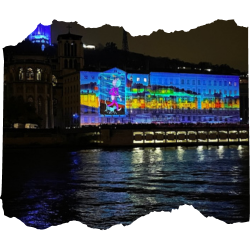
- winter: ideal for the Fête des Lumières if planned
- early summer: lively, but hotter and busier
Where should you stay in Lyon?
- Vieux Lyon: atmospheric, central, tourist-heavy
- Presqu’île: best all-around base
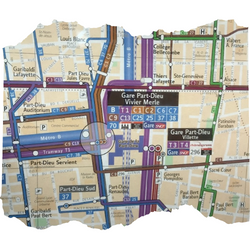
- Part-Dieu: practical for trains
- Croix-Rousse: local feel, more character
How do you get around Lyon?
Lyon’s public transport system (TCL) is efficient, with metro, tram, bus and funicular lines connecting major sights. Much of the center is walkable, but the hills can be demanding.
Is Lyon safe?
Lyon is generally safe and easy to navigate, though train stations and crowded tourist areas require normal urban caution, especially around pickpocketing.
Should you use Lyon as a base?
Lyon is one of France’s best rail hubs, with fast access to places like Annecy, Avignon, Dijon and nearby wine regions.
Because Lyon is one of the crossroads of France’s rail network, it makes an excellent base for exploring southeastern France without moving from hotel to hotel all the time.
Best things to do in Lyon
Here are some of my favorite things to do in Lyon, and the places I head to with friends when they come for visits:


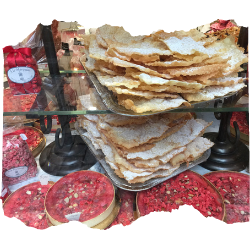
Food in Lyon
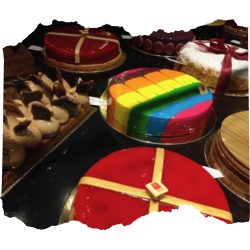
You can't really visit Lyon without paying attention to its food.
Sometimes I think Lyonnais live to eat, whether that means lunch in a neighborhood bouchon or shopping at Les Halles de Lyon Paul Bocuse. If you can't decide, you can join a guided walk through its markets and specialty shops.
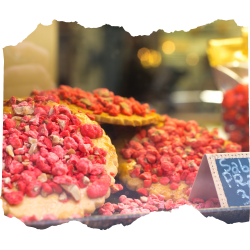
The cuisine of Lyon is built on strong regional traditions: charcuterie, river fish, pralines, quenelles and rich sauces, innards... often served in places that look far less formal than the quality of the food might suggest. The city’s reputation as the gastronomic capital of France is not just about famous chefs, but about a deep local culture of eating well.

Beyond Lyon
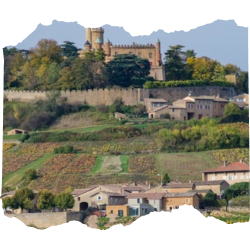
Once you’ve explored Lyon itself, the city makes an excellent base for discovering more of the surrounding region.
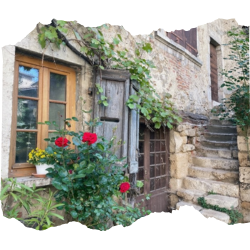
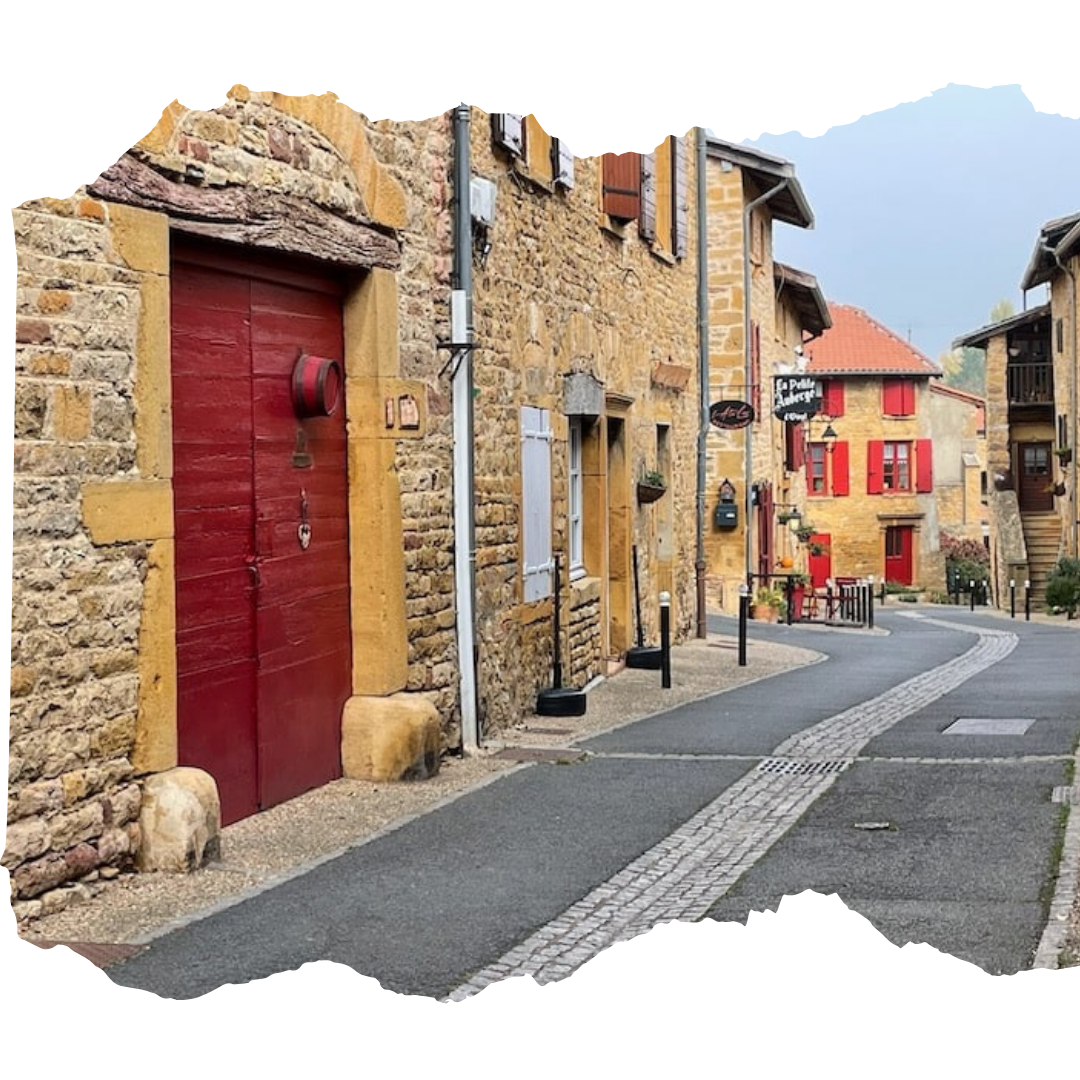
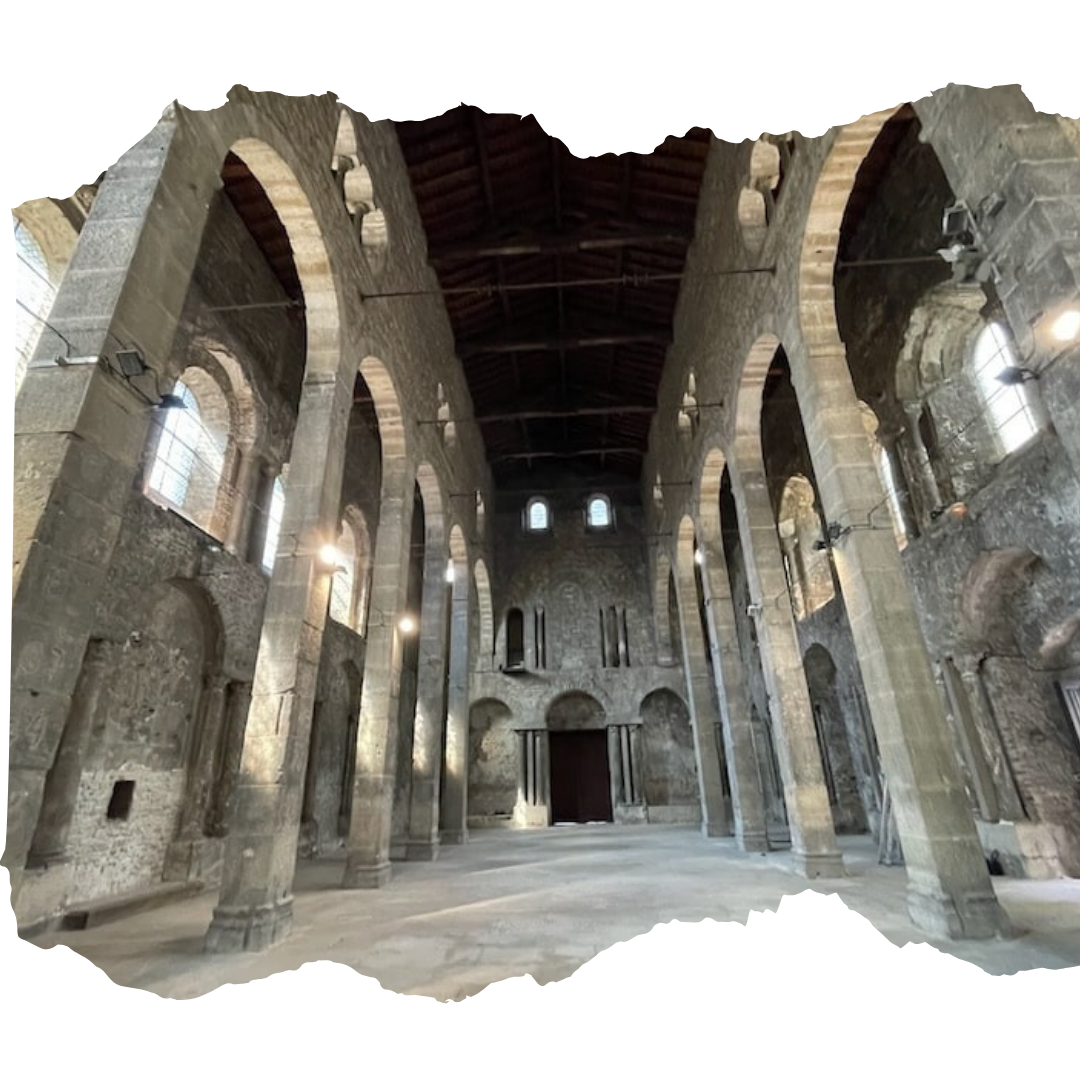
You'll find everything from medieval villages to vineyard landscapes, all within easy reach, whether by train or car.

🇫🇷

Bonjour! I'm Leyla.
Born in Paris and now based in eastern France between Lyon and Annecy, I've spent years exploring the places and stories that explain why France is the way it is.
Offbeat France is for curious francophiles, whether you're planning a trip or simply fascinated by France. Here you'll discover the history behind the villages, castles, traditions, landscapes and everyday details that most visitors notice but few can explain.
Alongside practical travel advice, I share the context that helps you make sense out of France. The more you understand, the more rewarding every visit becomes.
If you finish an article thinking, "I never knew that... now I want to know more," then I've done my job.
Learn more about me!
Read my Substack historical essays
🇫🇷

🇫🇷
Booking.comWhat's New!


-
The Louvre-Lens Museum: How A Former Mining Town Got The Louvre
Sep 21, 26 07:51 AM
Discover why the Louvre-Lens Museum brought the Louvre to a former mining town, plus 11 remarkable works worth the trip from Paris. -
Poitiers in France: Why This Historic City Deserves More Visitors
Aug 02, 26 03:05 PM
Discover the best things to do in Poitiers, France, from Roman ruins and medieval streets to Eleanor of Aquitaine's legacy and remarkable architecture. -
Limoges, France: Much More Than Porcelain
Jul 25, 26 09:14 AM
Limoges France is more than porcelain. Discover medieval streets, enamel masterpieces and centuries of history. -
Saint-Quentin, France: The Art Deco City No One Talks About
Jul 15, 26 05:31 AM
Saint-Quentin France rebuilt itself in Art Deco after WWI left it in ruins. It's now one of France's most striking architectural cities. -
Visiting France In A Heatwave: What You Need To Know
Jun 26, 26 12:45 PM
Visiting France during a heatwave? Learn how to stay cool and enjoy your trip despite the heat.